 By Garth Bevan
Every home project eventually involves a fastener that refuses to turn. Whether it is a corroded nut on a sink drain, a stuck bolt on a vehicle’s aluminum engine component, or a rusted pipe connection in a utility room, the experience is universally frustrating. Many homeowners reach for a general-purpose lubricant, but when dealing with specific materials or seized hardware, using the appropriate agent is often the difference between a simple repair and a damaged component.
Why Standard Lubricants Often Fall Short
When metal oxidizes, it creates a layer of rust that expands into the threads of a bolt or the joints of a pipe, effectively locking them together. Ordinary lubricants are designed to reduce friction between moving parts, but they lack the specific properties needed to break the bond of oxidized metal.
Effective agents require a low surface tension to penetrate deep into microscopic gaps. Many common spray lubricants have a thicker consistency that may coat the surface but struggle to seep into the tightest areas of a seized connection. When working with specialized metals, the chemistry becomes even more nuanced. An agent that is safe and effective for iron or steel may not necessarily be the optimal choice for aluminum or other softer alloys. Understanding the reactivity of these materials is a key factor in selecting the right product.
General Principles of Penetration and Loosening
The primary mechanism of a penetrating oil for plumbing is capillary action. This is the process where a liquid flows into narrow spaces without the assistance of external forces. A high-quality penetrating agent is engineered to be thin enough to wick into these spaces, slowly dissolving or loosening the corrosion that has formed within the threads.
For residents of the area dealing with older home infrastructure, moisture exposure is often a common issue. When selecting an agent, consider products formulated to displace moisture while they work. If you are dealing with a particularly stubborn connection, patience is typically the most effective tool. Applying the lubricant and allowing it to sit—sometimes for several hours or even overnight—allows the chemistry to do the work, significantly reducing the amount of physical force required to break the fastener free.
Considerations for Aluminum Components
Aluminum presents a unique set of challenges compared to steel. While it does not rust in the traditional sense, it can experience a form of oxidation that creates a powdery buildup, often leading to a phenomenon known as galvanic corrosion when in contact with dissimilar metals like steel bolts.
When looking for the best penetrating oil for aluminum, the primary concern is material compatibility. Certain acidic or harsh chemical additives can sometimes etch or discolor sensitive alloys. A thoughtful approach is to prioritize products that are neutral and safe for use on non-ferrous metals. If you are unsure about a product’s compatibility, testing it on a small, inconspicuous area of the material is a common way to ensure it does not cause surface damage. Because aluminum is a softer metal, it is also more susceptible to stripping or shearing if too much force is applied. Therefore, the penetrating agent should be viewed as an essential facilitator that minimizes the need for excessive torque.
Practical Approaches to Seized Hardware
Successfully loosening a stuck connection often involves more than just applying a spray. To improve your chances of success, consider these general steps:
- Clean the surface: Remove loose dirt, debris, or surface corrosion with a wire brush before applying the penetrating agent. This allows the product to reach the actual point of seizure.
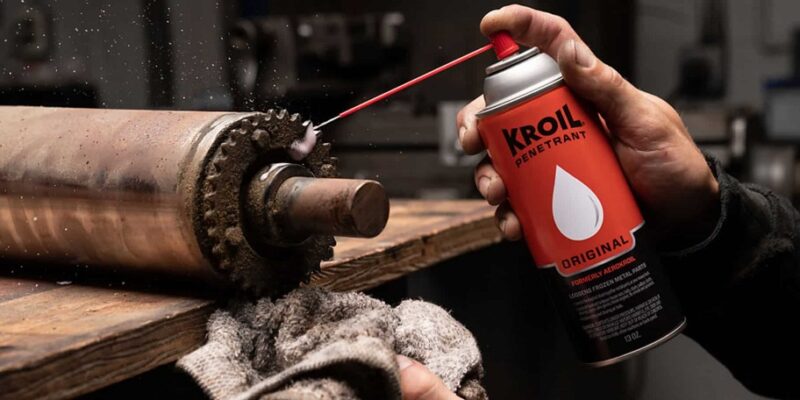
- Apply and wait: As noted, these agents often need time to travel through the threads. A single quick spray is rarely sufficient. Consider applying the product, waiting a period, and applying it a second time.
- Use gentle agitation: Once the lubricant has had time to penetrate, a light tap with a hammer or a controlled attempt to tighten the bolt slightly before loosening it can sometimes help break the bond. This slight movement allows the lubricant to distribute more evenly across the threads.
- Choose the right tool: Ensure the wrench or socket fits the fastener perfectly. A poor fit on a seized aluminum bolt is a common cause of rounded heads.
If you are working on critical plumbing or automotive systems, it is often wise to consider the long-term impact of the chemicals being used. Some heavy-duty industrial solvents are highly effective but may require extra ventilation or protective gear. Always read the instructions on the container to understand the safety considerations relevant to the product you have chosen.
Approaching Your Next Maintenance Task
When facing a frozen connection, the most important step is to pause and assess the material involved. Are you working with steel plumbing that has been exposed to years of water buildup? Are you attempting to service an aluminum casing that requires a delicate touch? By identifying the nature of the materials and the likely cause of the seizure, you can better select an agent that works with your project rather than against it.
If a fastener refuses to yield after multiple applications and careful effort, it may be time to consult with a professional. Plumbers and mechanics have access to specialized tools and high-grade chemical treatments that go beyond what is typically available in a standard household kit. Knowing when to stop and seek assistance is a sign of a careful and experienced approach, helping to prevent the kind of damage that turns a minor maintenance task into an expensive repair.
Taking a measured, patient approach to hardware maintenance tends to yield the best outcomes. By selecting an appropriate, high-quality penetrating agent and allowing it sufficient time to work, you can often restore function to components that initially seemed permanently stuck.