 By Garth Bevan
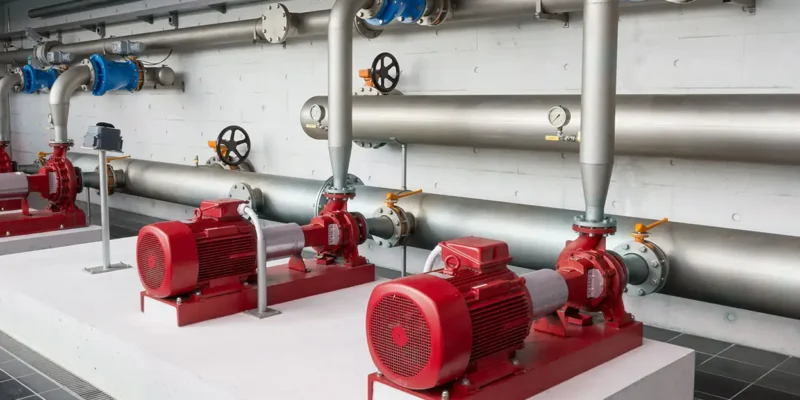
Moving liquids through a production line involves a series of physical challenges. Whether a substance is thin and watery or dense and viscous, the goal remains the same: maintain consistent flow without damaging the product or the system itself. For manufacturers working with delicate materials, the choice of equipment is a primary factor in overall operational stability. Many facilities rely on transport pumps to manage these movements, as these tools are designed to handle various material profiles under different pressure requirements.
Why Liquid Characteristics Complicate Transfer Processes
The physical nature of the material being moved typically dictates the requirements for any pumping system. Materials that exhibit high viscosity often require different handling than low-viscosity fluids. When a liquid is thick or contains sensitive ingredients, the way a pump interacts with that fluid becomes critical.
If a system uses the wrong type of pump for the material, several issues can arise. One common concern is the application of excessive shear force. Shear occurs when a pump exerts too much energy on a fluid, which can alter its texture or composition. For example, in food manufacturing, sensitive emulsions or delicate mixtures might break down if they are subjected to high-speed impellers or aggressive mechanical forces. By selecting chocolate transfer pumps that are specifically engineered for gentle handling, producers can often preserve the integrity of their ingredients throughout the transfer cycle.
Additionally, temperature control often plays a significant role in how materials behave during transit. Some substances may harden or lose their consistency if they cool down while moving through pipes. Systems must often account for thermal management, ensuring that the pump and the associated piping maintain the necessary environment to keep the product moving smoothly.
How Modern Pumping Systems Manage Material Flow
The mechanical design of a pump determines how it manages the fluid passing through it. Most industrial transfer systems function by creating a pressure differential that encourages the liquid to move from a source to a destination. In many industrial applications, positive displacement designs are frequently chosen for their ability to move a predictable volume of fluid with every rotation of the pump’s internal components.
These systems typically operate by trapping a specific amount of fluid in a chamber and then forcing it toward the discharge port. Because the fluid is physically moved in discrete volumes, these pumps are often effective for thicker materials. This mechanism provides a consistent flow rate, which is helpful in processes where precise dosing or steady delivery is necessary for downstream equipment to function correctly.
Maintenance of these systems is a recurring consideration for facility managers. Because moving parts eventually experience wear, understanding the duty cycle of the equipment is important. Routine inspections focus on seals, rotors, and internal clearances. By monitoring how the pump behaves under typical operating conditions, technicians can often identify when components are approaching the end of their service life, allowing for maintenance to be scheduled during planned downtime rather than responding to an unexpected failure.
Key Factors That Influence System Performance
When designing or upgrading a liquid transfer process, several operational factors tend to influence the final outcome. The distance the liquid must travel, the number of turns in the piping, and the elevation changes all contribute to the amount of pressure the pump must generate.
- System Pressure Requirements: Every piping network creates resistance. A pump must be capable of overcoming this resistance without causing internal cavitation. Cavitation occurs when pressure drops below a certain level, causing vapor bubbles to form and potentially damage the pump internals.
- Material Consistency: Changes in the material’s temperature or composition can impact how it flows. Systems that accommodate variable viscosity are often more resilient when dealing with diverse product runs.
- Cleanliness and Sanitation: In industries where product purity is paramount, the design of the pump must facilitate easy cleaning. Surfaces that are difficult to reach or allow for fluid stagnation can create challenges for maintaining a hygienic environment.
Thoughtful consideration of these factors helps in selecting equipment that balances throughput requirements with the physical needs of the product being moved.
Practical Approaches to Selecting the Right Equipment
Choosing the right transport pumps involves evaluating the needs of the production line against the capabilities of the hardware. Rather than focusing solely on initial procurement costs, it is often more beneficial to consider the total operational experience, including energy consumption, parts longevity, and the ease of performing standard maintenance.
When speaking with providers about chocolate transfer pumps or other specialized hardware, it is helpful to have a clear understanding of the material properties. Important details to discuss include the temperature at which the product is processed, the required flow rate, and any specific concerns regarding the material’s sensitivity to mechanical energy. Providers can often offer guidance on the best seal materials, rotor configurations, or drive systems that align with the specific requirements of the facility.
Questions for Technical Assessment
To better understand if a specific pump model is suitable, consider asking the following:
- How does the design of this pump minimize shear during the transfer process?
- What are the typical intervals for replacing internal wear parts based on regular use?
- How does this pump perform if the viscosity of the material changes unexpectedly?
- What documentation or support is available regarding the recommended cleaning procedures for this model?
Approaching the selection process with a focus on these technical considerations helps ensure that the chosen equipment is well-suited to the application. Taking the time to evaluate these aspects—rather than relying on broad claims—often leads to a more reliable production environment.
Selecting equipment for liquid transfer is a foundational step in building a predictable and high-quality production line. By prioritizing the gentle handling of materials and focusing on systems that offer long-term stability, facility managers can effectively manage their processes while maintaining the high standards of their final products. Assessing the specific needs of the material and the infrastructure of the facility remains the most reliable path toward selecting the right technology for the task.