 By Garth Bevan
Workplace stress does not stay at the desk. It follows people into their posture, breathing, mood, sleep, and energy. Teams may spend the day handling deadlines, calls, screens, and decisions, then leave work feeling mentally full and physically stiff. Group fitness can offer a practical way to release some of that pressure through shared movement.
For companies considering a bodycombat class as part of wellness planning, combat-inspired cardio can be especially useful because it is energetic, non-contact, and easy to adapt. Employees get to punch, kick, move, sweat, and reset without needing martial arts experience or competitive pressure. The class becomes a physical outlet for workday tension.
Why Teams Need Physical Stress Release
Many workplace wellness efforts focus on information. Employees receive emails about health, attend talks, or complete surveys. These can be useful, but stress often needs a physical outlet too.
Movement helps shift the body out of stillness. It changes breathing, raises energy, and gives employees a break from screens.
A group class turns wellness into action rather than only advice.
Combat-Inspired Movement Feels Satisfying
Punching and kicking movements can feel emotionally satisfying. They allow employees to release tension in a structured way. The class is non-contact, so no one is fighting another person. The movements are directed into the air, guided by music and coaching.
This makes the session feel powerful without becoming aggressive.
For many employees, that release can feel refreshing after a demanding workday.
Shared Movement Builds Team Energy
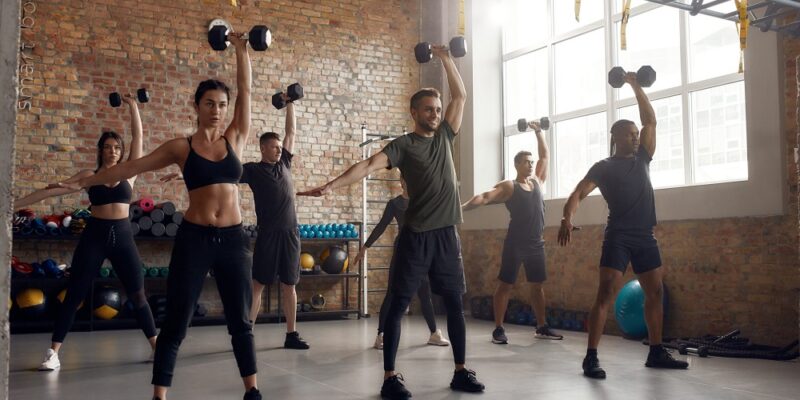
A group class gives employees a shared experience outside normal work roles. They follow the same instructor, move to the same music, and complete the same workout together.
This can create light team connection without forced conversation.
People may laugh at missed steps, encourage each other, or simply enjoy moving in the same room.
It Breaks the Sitting Pattern
Office work often means long sitting hours. Employees may feel stiff through the hips, back, shoulders, and neck. A combat-style class gets the body moving in multiple directions.
Punches activate the upper body. Kicks challenge the legs. Footwork wakes up coordination. Rotation engages the core.
This movement variety can feel especially useful after desk-based work.
The Class Should Be Inclusive
Corporate fitness should never feel like a test. Employees will have different fitness levels and comfort levels. A good instructor should provide lower-impact options, simple movement choices, and permission to rest when needed.
The class should focus on energy, movement, and stress release rather than performance.
When employees feel safe participating, attendance improves.
Avoid Weight-Loss Messaging
Workplace fitness should not be framed around appearance or weight loss. That can make employees uncomfortable and reduce participation. A better message is about stress relief, energy, movement, team morale, and wellbeing.
People respond better when wellness feels supportive.
A combat-inspired class can be promoted as a way to reset after work, not as a body-fixing session.
Timing Matters
A group class can work during lunch, after work, or as part of a wellness day. The best timing depends on the team. Some employees may prefer a lunch reset. Others may enjoy an after-work release.
Companies should consider changing time, showers, commute, and workload.
A wellness activity should not create extra stress through poor planning.
Leadership Participation Helps
When leaders join casually, employees may feel more comfortable. It signals that wellness is not just an HR message. It also helps reduce the pressure employees may feel about taking time for movement.
Leaders should participate without making the class competitive.
The goal is shared wellbeing, not proving fitness.
Non-Contact Format Makes It More Approachable
Some employees may be nervous about anything combat-related. The non-contact format should be explained clearly. Participants are not sparring, hitting bags, or fighting. They are following choreographed fitness movements inspired by martial arts.
This clarity helps people feel more comfortable joining.
The class is about cardio and stress release, not combat skill.
Stress Relief Should Be Part of a Bigger Culture
A group class can help, but it cannot fix an unhealthy work culture alone. If employees are overworked, unsupported, or constantly expected to be available, one fitness session will not solve the problem.
Wellness works best when movement is paired with realistic workloads, good communication, and respect for recovery.
Fitness is one helpful tool inside a larger wellbeing strategy.
Measuring Employee Feedback
Companies should ask employees whether they enjoyed the class, whether the intensity felt suitable, and whether timing worked. Feedback can help improve future sessions.
A successful wellness program should evolve based on what employees actually use.
Participation and positive experience matter more than forcing one format.
Making Stress Release Practical
Group combat cardio can help teams release stress because it is active, energetic, structured, and shared. It gives employees a way to move after mental strain and reconnect with the body.
For businesses comparing group wellness options, True Fitness Singapore may be relevant when looking for indoor fitness classes that support team energy, movement, and employee wellbeing.
FAQ
Can combat-style group classes help workplace stress?
They can support stress release by combining movement, music, cardio effort, and a physical outlet for tension.
Is this type of class suitable for mixed fitness levels?
Yes, if the instructor provides modifications and lower-impact options.
Should corporate fitness be mandatory?
No. Participation should be optional and supportive.
How should companies promote these classes?
Messaging should focus on energy, stress relief, movement, and wellbeing rather than weight loss or appearance.